
Swimwear Fabrics
Elevate Your Swim Line with Quality Fabrics
Choosing the right fabric is the foundation of a high-performance swimsuit — one that withstands pool chemicals, UV exposure, saltwater, and repeated wear, while staying soft, comfortable, and safe on skin. Yansha Swimwear offers OEKO-TEX® certified premium swimwear fabrics designed for superior durability, stretch recovery, and environmental performance. With a curated network of trusted fabric suppliers and a strong supply chain, we can quickly source the latest sustainable and innovative materials for your line — from recycled blends and quick-dry knits to chlorine-resistant and UPF-protective options — helping you stay competitive in the market.
Common Swimwear Fabric Components
When choosing swimwear fabric, the main considerations are elasticity, chlorine resistance, saltwater/sunscreen resistance, quick-drying properties, UV protection (UPF), and durability. The following are the swimwear fabrics we commonly use.
1. Nylon / Polyamide
Advantages
Soft and skin-friendly: Comfortable to the touch with excellent body-hugging properties. Excellent elasticity: When blended with spandex, it offers superior stretchability and allows for free movement. Quick-drying: With relatively low water absorption, it dries quickly after getting wet.
Disadvantages
Weak chlorine resistance: Prolonged exposure to chlorinated pool water may cause hardening, brittleness, and fading (choose the ‘chlorine-resistant treated’ option). Applicable scenarios: Casual swimwear, fashionable swimwear
2. Polyester
Advantages
Top-tier chlorine resistance: Exceptionally strong resistance to chlorine corrosion, with a lifespan 2–3 times longer than nylon. High strength & resistance to deformation: Resists stretching and sagging, maintaining its shape over the long term. UV protection (high UPF): The fibres themselves have excellent sun protection properties. Quick-drying & lightweight.
Disadvantages
Rigid feel: Slightly less comfortable than nylon (new blended fabric technology has improved this). Poor elasticity: Relies on blended spandex for elasticity. Applicable scenarios: Swimming pool training, high-frequency swimwear for long-term use 3. Spandex / Lycra / Elastane Advantages Core function: Provides elasticity! (Typically accounts for 15–25% of the fabric) Note: Pure spandex is not used in swimwear, but rather as an ‘elastic fibre’ blended with nylon or polyester. Disadvantages Not resistant to chlorine/salt/sunscreen: Prone to ageing and breaking, causing swimwear to become loose.
Recycled Fabric for Sustainable Swimwear
Looking to build an eco-conscious swimwear line? At Yansha Swimwear, we offer premium recycled fabrics that help you reduce your environmental footprint without compromising on performance or style.
Our sustainable swimwear fabrics include:
🌿 ecycled Nylon
Made from regenerated materials like ocean waste, fishing nets, and industrial plastic. It offers the same softness, stretch, and durability as virgin nylon—perfect for high-end bikinis and one-pieces.
🌿 Recycled Polyester
Derived from post-consumer plastic bottles, this fabric is strong, colorfast, and chlorine-resistant—ideal for printed swimwear and everyday wear collections.
✅ MOQ Note
For eco-friendly fabrics, we support customized colors and prints, but the MOQ will be higher than normal fabrics: 100 pcs per color. Join the growing wave of sustainable swimwear brands and make a positive impact on both your business and the planet. Start your eco collection with our recycled fabrics today!
Need to Add Printing?
At Yansha Swimwear, we specialize in custom printing solutions for swimwear, helping brands turn creative ideas into vibrant, high-quality pieces. Whether you’re designing bikinis, one-pieces, or full collections, our advanced printing technology ensures your artwork looks stunning on every garment.
We offer two professional printing methods tailored for swimwear fabrics:
1. Heat Transfer Printing
Ideal for bold colors and detailed patterns. This technique delivers long-lasting prints with excellent color fastness and minimal fading, perfect for polyester-based swimwear fabrics.
2. Digital Direct Printing (Direct-to-Fabric)
Great for complex, multi-color designs. It prints directly onto the fabric, producing soft, breathable results with rich color depth — perfect for small-batch or custom collections. To achieve the best printing results, please provide high-resolution files such as AI, PDF, EPS, JPG, or PNG, with file sizes between 2MB–10MB.
Learn About Our Premium Fabrics
1. Basic Fabric Series
These core fabrics are the foundation of swimwear, balancing performance, comfort, and versatility for everyday and active use.
Matte Fabric
Matte fabric has a non-glossy, soft finish that delivers a subtle, sophisticated look. Unlike traditional shiny swimwear fabrics, it avoids reflecting light, making it ideal for creating a sleek, understated aesthetic that works for both minimal and bold designs.
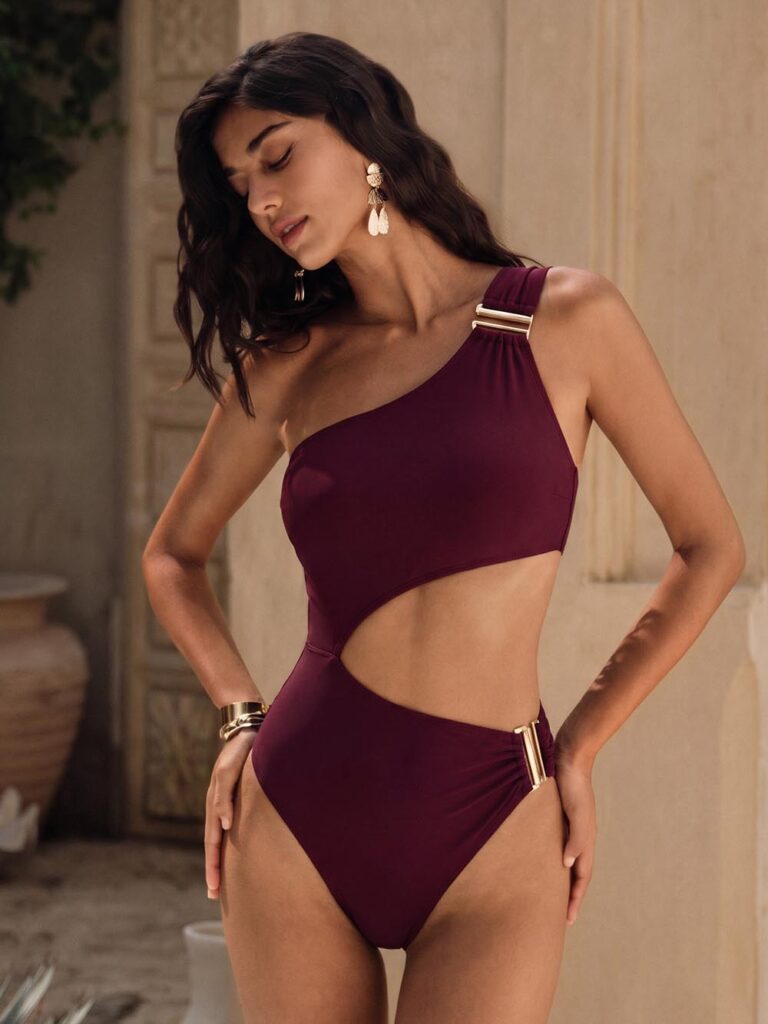
Shiny Fabric
As the name suggests, shiny fabric features a glossy, reflective surface. Created with specialized fibers, weaving techniques, or finishing processes, it catches light beautifully, delivering a bold, fashionable, and eye-catching effect perfect for statement swimwear.

Ribbed Fabric
Ribbed fabric is a knit material defined by vertical textured lines. These ribs add dimensional style while enhancing the fabric’s stretch and body-hugging fit, making it both fashionable and functional for swimwear that moves with the body.

2.Fashionable Fabrics
These specialty fabrics are designed to elevate your collection with unique textures, finishes, and luxury appeal.
Glitter Fabric
Also known as sparkle or sequin-effect fabric, glitter fabric is coated with a shimmering foil or glitter layer over a nylon or polyester base. It delivers a dazzling “bling-bling” appearance, perfect for standout swimwear, stage costumes, or party-ready looks.
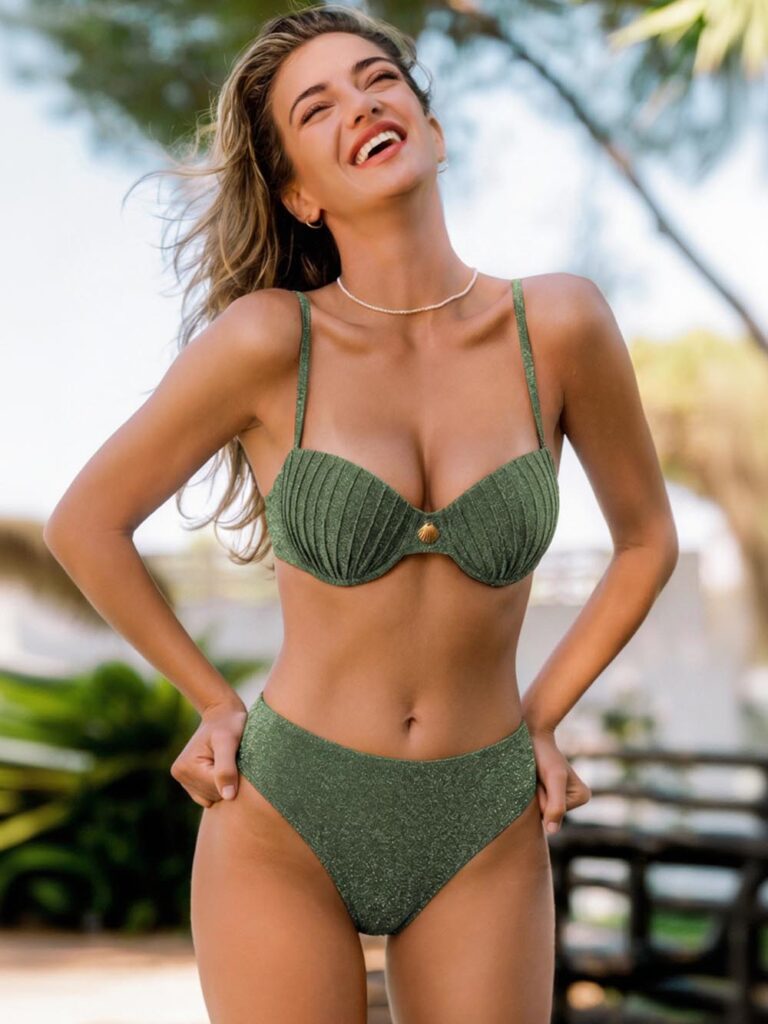
Embroidered Fabric
Embroidered fabric features delicate stitched motifs attached to the base cloth, unlike loom-woven jacquard or flat printed patterns. The fine embroidery brings layered ornate texture while keeping the nylon base’s stretchy, body-friendly fit. It delivers an elegant, sophisticated aesthetic, perfectly suited for premium stylish swimwear designs.

Jacquard Fabric
Jacquard fabric features woven-in patterns created directly on the loom, rather than printed or embroidered. The intricate design is part of the fabric’s structure, giving it depth, texture, and a premium feel that adds uniqueness to swimwear designs.
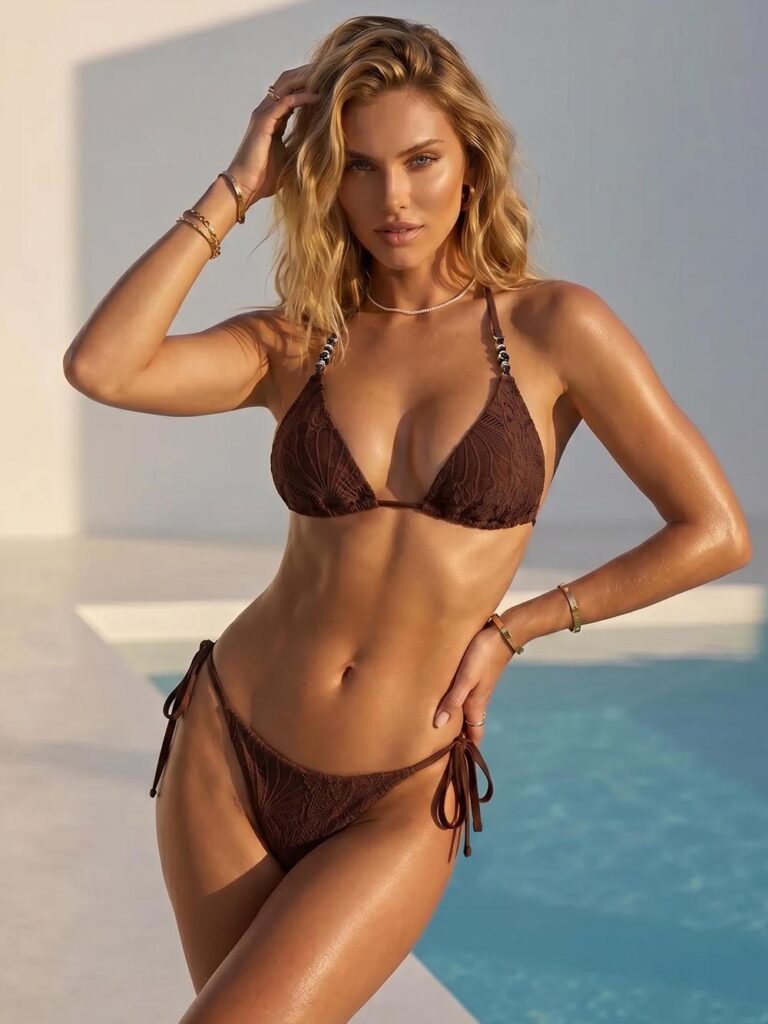
Satin Fabric
Satin is not a material but a weave technique that produces a smooth, lustrous surface with a silky sheen. Its sensual, polished look brings a luxurious, high-fashion vibe to swimwear that feels both glamorous and modern.
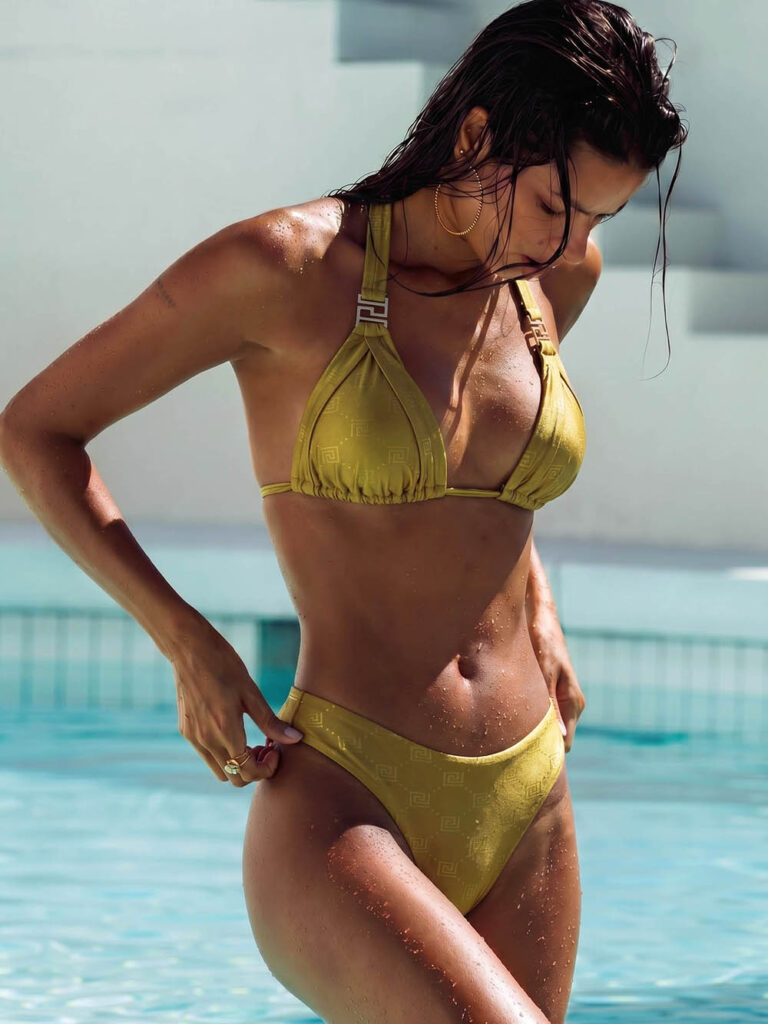
Metallic Fabric
Metallic fabric has a shiny, reflective surface created by incorporating metallic threads, foil coatings, or metal finishes into a nylon or polyester base. This eye-catching material is perfect for bold, statement-making swimwear, partywear, and performance costumes.

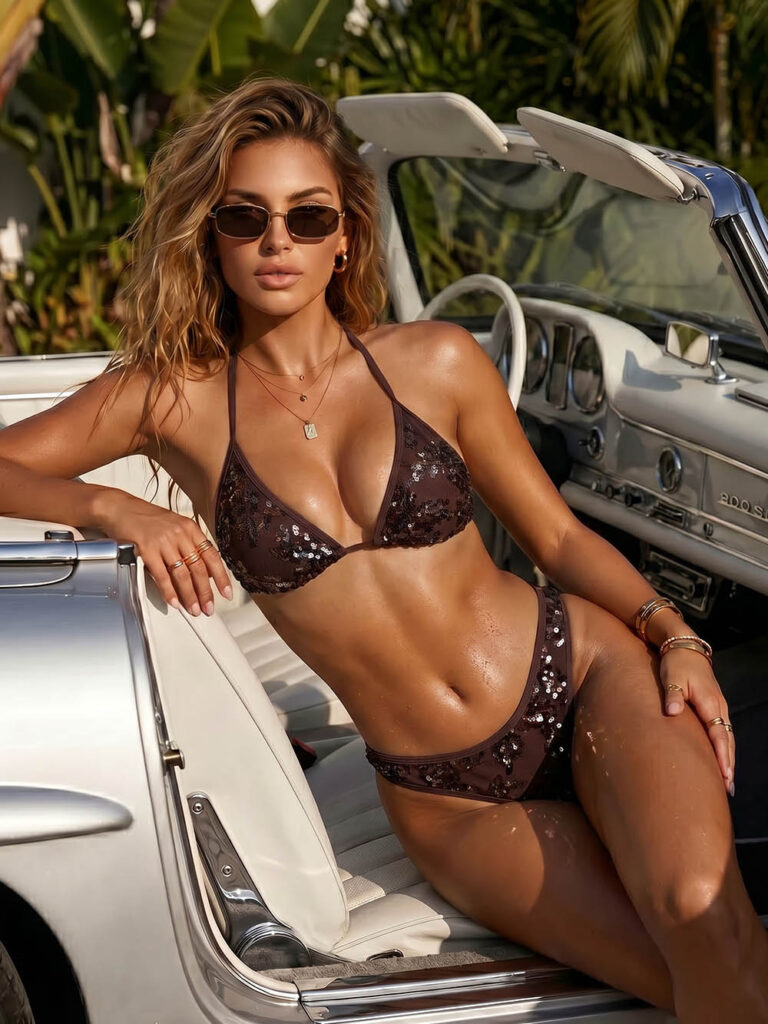
Sequin Fabric
Sequin fabric is made by stitching or heat-pressing layers of small, reflective sequins—typically plastic or PET—onto the surface of a base fabric. The result is a brilliant, sparkling effect that captures attention and exudes glamour.
Terry Fabric
Terry fabric features small loops or pile on the surface, typically made from cotton or a cotton blend. Loved for its vintage-inspired texture and cozy feel, it has become a trendy choice for retro-style bikinis and loungewear-inspired swimwear. Important Notes:
- Highly absorbent: Terry becomes noticeably heavier after swimming, making it less suitable for performance or competition swimwear.
- Slower to dry: With a thicker structure, it is best suited for sunbathing and beach lounging—not for frequent water immersion.

FAQ
If the information below does not answer your question, please feel free to contact us at any time using the form.
What is the best fabric for swimwear?
The most popular swimwear fabrics are nylon-spandex and polyester-spandex blends. Nylon is softer and stretchier, while polyester is more chlorine-resistant and colorfast — ideal for frequent wear or athletic swimwear.
Are your fabrics eco-friendly?
Yes. Our fabrics include recycled materials, reducing environmental impact. They are certified by GRS (Global Recycled Standard) and OEKO-TEX®, ensuring they meet high environmental and safety standards. All dyes used are eco-friendly.
What is the minimum order quantity (MOQ)?
For most swimwear fabrics, our MOQ is 50 pieces per color, making it easier for small and mid-size brands to launch sustainable collections.
Can I customize fabric color or develop my own print?
Yes! We offer custom Pantone color dyeing and all-over print customization based on your design files. Our in-house team provides full assistance with color matching and print layout.
How long does fabric sampling and production take?
Stock fabrics: No waiting time Customized fabrics: 3–5 business days We also support rush orders for time-sensitive collections.
Start your swimwear collection
Whether you’re looking to learn more about our customization services or have any questions about the production process, our team is always ready to assist you.